
Annual Meeting & Education Conference

August 24, 2023 8:00 AM to August 25, 2023 12:00 PM Add to Calendar
Hyatt Regency Grand Cypress One Grand Cypress Blvd.
Orlando , FL 32836
Venue website Directions
43rd Annual Meeting & Education Conference
Creating a Culture of Patient Safety Through Transparency

August 24 & 25, 2023
Orlando, FL
Thursday August 24, 2023
8:00 AM - 8:30 AM Welcome & Annual Business Meeting
8:30 AM - 9:30 AM Opening Keynote
Beyond the Sea - Leadership with Love. How to Build a Culture of Safety with Transparency!
Presented by:
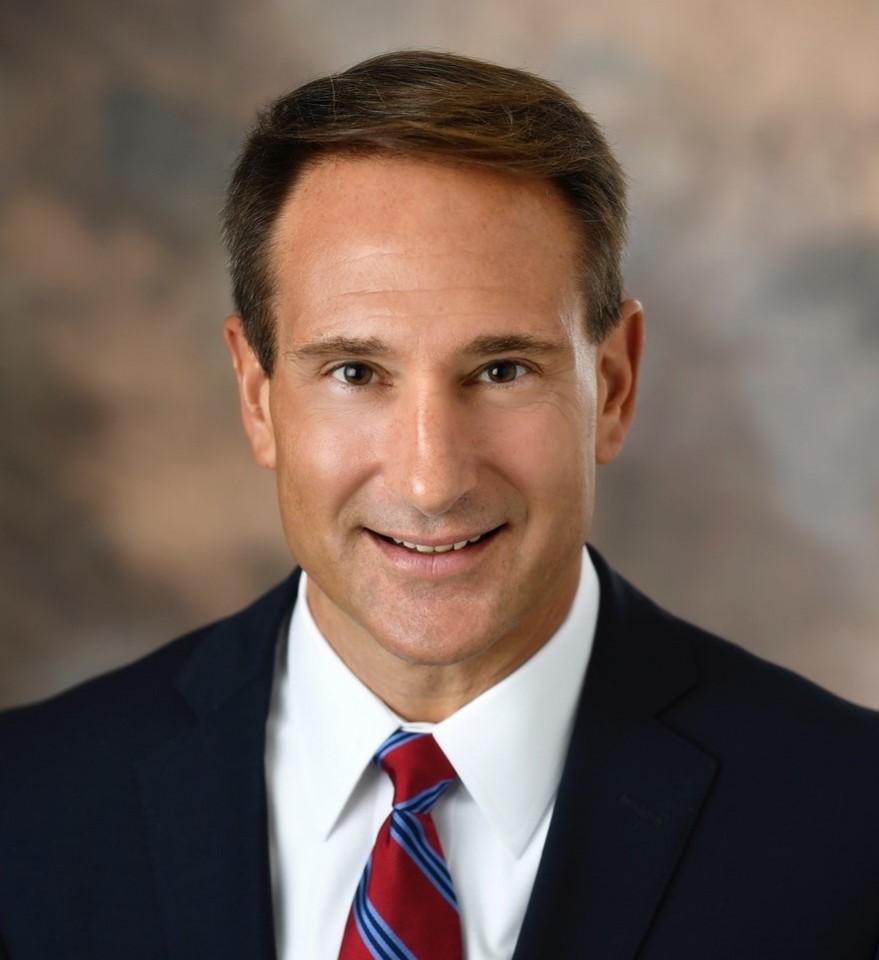
Dr. Robert Roncska
Learn from a former Commanding Officer of a fast attack nuclear submarine, who also carried the nuclear codes, aka nuclear football, for President George W. Bush. Navy Bob, as he was warmly dubbed by the 43rd president. He will take you on a journey of how he took one of the worst performing submarines in the fleet to the best, by leading with love to build a legendary safety culture. Leadership with love provides the foundation for trust and psychological safety, two components that are necessary for transparency. Trust, psychological safety, and transparency lead teams to improve in all aspects, including patient safety through the free sharing of lessons learned and information. As the Executive Director of High Reliability and Unit culture at AdventHealth he improved quality and reduced harm in patient care by implementing best practices with transparency from the Nuclear Navy into healthcare. He also served as a member of the Florida Chamber Leadership Cabinet for Safety, Health and Sustainability for two years, helping create national standards for workplace safety and implementing first-in-the-nation programs to prevent injuries, reduce operational costs, and improve production, performance, and corporate safety culture.
9:45 AM - 10:45 AM
Preparing Your Organization for and Managing an AHCA Survey Through Transparency and Collaboration
This panel presentation will explore topics that include why surveys are necessary; how your organization can benefit from surveys; key strategies to prepare your teams; navigating the day of the survey; how risk managers and counsel can collaborate with employees to promote transparency when providing statements; how to be collaborative when responding to production requests and protect the organization when potential privilege attaches to the documents requested.
11:00 AM - 12:00 PM Break Out Sessions:
Reducing HAIs and Eliminating HAPIs
This presentation will provide an overview of new innovative strategies for the prevention of Healthcare Acquired Infections and using the latest trend in AI and new innovation for eliminating HAPIs by identifying Sub Epidermal Moisture (SEM) and PI Risk five days before visible.
Autonomy and Clinical Decision Making: 3 Approaches to Complex Cases
This session will explore three case studies and the likely outcomes of each case study as to the impacts on patient care, safety, moral distress for staff, and other resources needed. The presenter will explain the most appropriate model(s) to use given the facts and circumstances and describe a worksheet that assists the risk manager in structuring their recommendations for future decision-making discussions with the clinical team.
The Role of Systems Theory and Human Factors in Patient Safety
Emphasizing the complexity of patient safety, the presentation will provide an overview of the significant role of systems theory and human factors in patient safety. The presentation will describe how systems analysis applies to adverse event investigation. Safety events will be utilized to explain the distinct types of human errors, inattentional blindness, and situational awareness. The key concepts of human factors and their application in event investigation will be reviewed. An activity applying systems theory and human factors to event investigation using a case study will be used to engage the audience and encourage participation.
Risk Management Strategies for Effective Physician - Patient / Family Communication in Medical Office Settings
This presentation will address communication breakdowns in the medical office setting as well as a discussion of closed claims data and risk management strategies to mitigate risk, improve physician-patient/family communication and ensure patient safety.
Panel Presentation: Managing the Risk of Electronic Medical Records...Live Examinations and Audit Trails
This panel presentation will explore strategies to prepare for and handle live medical records examinations without allowing the wholesale harvesting of proprietary and confidential data. Topics will include how to handle and increasingly common event: the arrival of plaintiffs’ attorneys at a healthcare facility, armed with recording equipment, demanding access to electronic medical records software, and latest defense arguments limiting intrusive discovery and preventing unnecessary expenses for information that may not be relevant to the claim.
12:00 PM - 1:00 PM Awards Lunch
1:15 PM - 2:15 PM Break Out Sessions:
Digital Informed Consent: Mitigating Risk Through Transparent Shared Decision Making
This session will focus on Informed consent basics, including poorly vs. properly executed consent. Presentaters will explain why digitizing surgical & procedural informed consents should be a top priority in healthcare and why surgical & procedural consents are often the last documents to be digitized in healthcare. Topics will also include the top five challenges/barriers to digitizing the informed consent workflowand best practices to overcome these challenges when implementing digitization.
Reducing and Responding to Workplace Violence in Healthcare
Healthcare workplace violence is a recognized hazard but has seen a significant uptick in recent years. A recent study indicates that healthcare staff are five times as likely to suffer a workplace violence injury than US workers overall. The issue goes beyond threats against healthcare workers from patients or families — it also includes staff-on-staff events, bias-driven issues and external threats from the community. Organizations need more than advice to effectively reduce, respond and mitigate the risk of violence. They require concrete tools and resources that can help them implement material changes within their workplaces. This session will focus on a proactive and multifaceted approach.
Triad huddle (Quality/Risk/Patient Safety): An HRO Model for Management of Incident Reporting
This presentation will demonstrate how establishing a structured format and cadence for having the roles of Quality, Patient Safety and Risk meet to address events submitted via your event reporting system can benefit from integration of high reliability tools and principles. Presentation will highlight implementation of a dashboard as a framework for this huddle model and include a mock demonstration of a huddle session using the dashboard as the platform for the meeting to “Stop, Think, Act and Review” when reviewing event reports and other key safety and risk activities in the organization.
Risk Management and Quality Integration in the Outpatient Setting
This presentation will explain how RM and QAPI differ in physician office, ambulatory surgery center, and other outpatient settings. Topics will include educating and guiding staff to the integration of reducing risk and improving quality performance, monitoring activities and engaging staff to focus on high risk, problem prone activities, and strategies to enhance buy-in of staff to develop the culture of safety and continuous improvement.
The Big, the Bad and the Ugly: Dealing with Complex Claims
This presentation will explore the process of preparing for and dealing with complex and catastrophic claims. The presenters will lead the audience through aggressive strategies in managing medical malpractice claims based on their expertise in high exposure birth trauma and catastrophic cases. Topics will Include how to how to interact with our boards and senior management in managing these claims including an explanation of complex financial lines claims to assist risk managers in achieving the best resolution and how to interact with boards and senior management in managing these claims.
2:30 PM - 3:30 PM Break Out Sessions:
Reimagining the Continuum of Risk, Quality and Safety Through Actionable Data in Healthcare
This session will explore how top healthcare leaders overhaul their peer review process to get actionable insights that improve patient care and experience. The presenter will discuss the current state of peer review, emerging trends, and ways to improve processes using the best healthcare, legal, and technology practices. The presenter will also walk through a toolkit that participants can download with helpful content, templates, and resources.
Obstetrical Litigation Update: Implications for Risk Management and Patient Safety
This session will explain the Impact of recent tort reform legislation on obstetrical claims and other legislation from 2023 session affecting obstetrical claims. The presenter will provide an update on obstetrical claims experience frequency and severity and an update on NICA. Other topics will include a Proposal for legislative action to fix a flaw in the NICA statutory scheme and additional support for defense of shoulder dystocia claims.
AI in Healthcare - the 4 Ps
This session will provide some early history, the recent past, and the convergence of Sci-Fi and AI. Topics will include examples of current uses in a wide range of healthcare settings, an overview of risk from the enterprise risk management perspective, governance (or the lack thereof), the regulatory environment, product risk, risk financing, and the litigation environment. The Presenter will also cover two real-world risk management due diligence examples and a review of ethical and purchasing principles.
New Trends in Managing the Risks of Charting and Documentation
This session will provide an update on recent trends, legal implications and risk management exposures from nurse charting and documentation including patient care, reporting, and patient education.
Panel Presentation: Managing Claims and Litigation Involving Physicians
This panel presentation will focus upon the creative theories of liability employed by plaintiff's attorneys in medical malpractice actions against hospitals and hospital systems, seeking to hold hospitals responsible for the negligence of non-employed healthcare providers. The session will also address the "whether and when" facilities should consider cross-claims and third-party complaints against co-defendant staff physicians.
HMO Roundtable - Critical Incident Reporting
This roundtable will provide an exchange of best practices for Critical Incident Reporting, Identification & Investigation. Together we will explore and address barriers to timely reporting, how to handle weekend reporting, and communication with our LTC counterparts. We will also discuss how to ensure compliance with the 24- hour reporting requirements to avoid liquidated damages.
4:00 PM - 5:00 PM
Risk Management Issues in Baker Act Compliance
This presentation will provide a foundation for understanding both the legal and practical application of the Baker Act in both inpatient acute care and ambulatory care settings. The practical application of the Baker Act requirements are challenging to navigate as it relates to Baker Act criteria, who can initiate and release or “rescind”, special considerations for minors, medical clearance in the acute care hospital and transferring patients to receiving facilities, consents, the challenges of balancing transparency of patient / resident rights with patient safety, and more. With mental health concerns on the rise across all areas of the healthcare continuum there is also an increased need for knowledge around the Baker Act and emergency mental health services.
Physician Office Roundtable: Hot Topics
This roundtable will provide discussions regarding hot topics that physician offices face including DOH/BOM complaints, workplace violence, patient terminations, infection control and adverse incident reporting
5:00 PM - 6:30 PM Networking Reception
Friday August 25, 2023
8:00 AM - 9:00 AM Break Out Sessions:
Incorporating Just Culture Concepts in Event Investigations / RCAs
This presentation focuses on the role of human factors in healthcare with emphasis on human bias, culpable acts and causation of error. Topics will include how to incorporate a learning culture while maintaining accountability and how to select and apply a just culture algorithm. Additional tools on event investigation, culture concepts, bias in event investigations and pitfalls of event Investigations will be shared.
So You Have Had a Cyber Incident - Cyber Hot Shots, Part Deux
With new weapons, new attack vectors, and a crafty enemy, we’re ready to help you kick some hacker butt! Whether it’s Tracking Pixels, Remote Desktop Protocols, or Triple-Threat Extortion, we’re wise to their game and want to make you a sharpshooter in the Cyber war. We have experts from the trenches who’ve dispatched more enemies than Rambo has. Be there, soldier!
Risk Finance 101 - What Risk Managers Need to Know
This session will provide insights into the fundamentals of insurance coverage, self-insured retention, coverage towers and drivers of insurance pricing.
Patient Safety / Risk Management Program Annual Assessment
This presentation will describe how to create a tool to assess the current patient safety / risk management program. Topics will include how to use the assessment to set goals for the next program year, how to incorporate the program goals into the overall facility QAPI program at the enterprise level.
Reducing Liability: Claims, Loss Drivers & Risk Strategies
This session will provide an overview of the drivers of frequency and severity associated with hospital professional liability claims from an analysis of ten years of closed claims data. Topics will include clinical and operational risk strategies to enhance patient safety and increase defensibility if an unexpected outcome occurs and pitfalls and lessons learned from select closed claims.
HMO Roundtable - How to Work Collaboratively with Providers
This presentation will help HMO Risk Managers understand how we can work collaboratively with our physician partners, physician offices, SNF’, BH facilities, Home Health Care settings. How can we be collaborative in keeping members safe, reduce falls, and increase patient safety. Let’s discuss best practices, integration, and minoring activities to engage providers to focus on develop a culture of patient safety from our perspective.
10:00 AM - 11:00 AM
Claims, Litigation, Amendment 7 & Case Law Update
11:00 AM - 12:00 PM
AHCA Update

This program has designed to satisfy 9 hours of the ongoing competency requirements for Risk Managers required by Florida Statute 395.0197 (2) A through J.
This program has been approved for 9 CE Hours (2 Med Error, 2 Legal Aspects of Nursing and 5 General) by the Florida Board of Nursing. CE Broker Tracking # 20-1080040.
This program has been approved for a total of 9.0 contact hours of Continuing Education Credit toward fulfillment of the requirements of ASHRM designations of FASHRM (Fellow) and DFASHRM (Distinguished Fellow) and towards CPHRM renewal.
This activity meets the criteria of the Certification Board for Professionals in Patient Safety for up to 9.0 CPPS CE hours.
This program is approved by NAHQ for 6 Hours of CPHQ CE Credit.
This program is approved for up to 8.0 hours of AEUs and up to 4.0 hours of IPCHs by BASC Provider #1663.
This program has been approved by the Florida Bar for 11 hours off General CLE and 11 hours of Health Law Certification Credits. Course number 2307241N.
This program has been approved by the Florida Department of Insurance and Financial Services for approval to offer 4 hous of CE Credit for All Lines Adjustors - 324 C. The Course Offering ID is 1183514.

Advanced Registration for attending the conference in Orlando is now closed. If you would like to be added to the list for Onsite Regular Registration please send an email to [email protected]
Tickets
$250.00 Member Registration
$750.00 Member (Business Partner) Registration
$1,500.00 Non Member Registration
